
led touch bathroom mirror
Replacing the Outside Water Valve A Step-by-Step Guide The outside water valve is an essential component of your home's plumbing system. It controls the flow of water to your outdoor faucets and irrigation systems. Over time, wear and tear can lead to leaks or failures in the valve, necessitating a replacement. If you find yourself with a faulty outside water valve, don’t fret! Replacing it is a manageable DIY project that can enhance your home’s water efficiency. This article will guide you through the process of replacing the outside water valve. Tools and Materials Needed Before diving into the replacement process, ensure you have the necessary tools on hand. You’ll need - Adjustable wrench - Pipe wrench - Screwdriver - Teflon tape - Replacement valve (ensure you get the correct size for your system) - Bucket or towel (to catch any water) - Safety goggles and gloves Step 1 Turn Off the Water Supply Before you can replace the outside water valve, it’s crucial to turn off the water supply to prevent any flooding or leaks during the process. Locate the main water valve in your home and shut it off . Once this is done, relieve any pressure in the system by opening the nearest faucet to drain the water. Step 2 Remove the Old Valve Using your adjustable wrench, carefully disconnect the old water valve from the piping. Depending on how the valve is installed, you may need to use a pipe wrench to loosen stubborn connections. Be prepared for some water spillage, so keep your bucket or towel handy to soak up any escaping water. If the valve is particularly corroded or stuck, you can apply penetrating oil to help loosen it. Step 3 Clean the Threads outside water valve replacement With the old valve removed, take a moment to clean the threads on the piping. This step is crucial for ensuring a proper seal with the new valve. Use a wire brush or cloth to scrub away any debris or corrosion that may have accumulated over time. Step 4 Install the New Valve Before installing the new valve, wrap the threads of the pipe with Teflon tape. This tape helps prevent leaks and ensures a tight connection. Once wrapped, it’s time to thread the new valve onto the pipe. Hand-tighten it first, then use the adjustable wrench to secure it, being careful not to overtighten and cause damage. Step 5 Turn the Water Supply Back On After securely attaching the new valve, it’s time to turn the water supply back on. Slowly open the main valve and check for any leaks around the connection points of the new valve. If you notice any drips or water escaping, carefully tighten the connections until you achieve a leak-free seal. Step 6 Test the Valve With the water supply restored and the valve potentially fixed, it’s important to test its functionality. Open the outdoor faucet connected to the new valve to ensure water flows properly. Observe for any irregularities, like sputtering or pressure drops, which might indicate issues with the installation. Conclusion Replacing the outside water valve may seem daunting, but with proper tools and a clear understanding of the steps involved, you can accomplish it easily. Regular maintenance and timely replacement of plumbing components like the outside water valve can save you money in the long run and ensure your outdoor water needs are met efficiently. If at any point you feel uncomfortable with the installation, don’t hesitate to call a professional plumber for assistance. Happy plumbing!
about
led touch bathroom mirror
Understanding 3-Way Gate Valves A Comprehensive Overview In various industrial applications, the need for effective fluid control and management is paramount. Among the numerous types of valves used in piping systems, the 3-way gate valve stands out for its unique functionality and versatility. This article aims to provide a comprehensive understanding of the 3-way gate valve, its applications, advantages, and operational principles. What is a 3-Way Gate Valve? A 3-way gate valve is a type of valve that enables the control of fluid flow in three different directions. It features a robust gate mechanism, which is designed to open and close to either allow or block the flow of liquids or gases. Typically constructed from materials like stainless steel, brass, or cast iron, these valves are designed to withstand high pressures and temperatures, making them suitable for demanding industrial environments. Design and Structure The design of a 3-way gate valve includes three ports one inlet and two outlets, or vice versa, depending on the fluid flow requirements. The valve operates by either lifting or lowering a gate that fits snugly within the valve body. This mechanism allows for a straight flow path when the valve is fully opened, minimizing turbulence and pressure loss. In contrast to other valve types, the 3-way design is particularly beneficial in applications requiring the redirection of flow or the mixing of different fluid streams. Applications 3-way gate valves find their applications in a variety of areas, including 1. Water Treatment Facilities They are often used to control flow directions in treatment plants, ensuring optimal water quality and distribution. 2. Oil and Gas Operations In the extraction and transportation of hydrocarbons, these valves manage the flow between different pipelines and storage tanks. 3 . Chemical Processing The ability to control and redirect aggressive chemicals safely makes 3-way gate valves essential in chemical manufacturing settings. 3 way gate valve 4. HVAC Systems In heating, ventilation, and air conditioning systems, they help regulate and redirect airflow efficiently. Advantages of 3-Way Gate Valves The implementation of a 3-way gate valve in industrial systems offers a multitude of advantages 1. Versatility The ability to direct flow through multiple channels allows for greater flexibility in system design. 2. Reduced Pressure Drops When fully opened, the gate mechanism minimizes resistance to flow, resulting in lower pressure drops compared to other valve types. 3. Simplified Maintenance 3-way gate valves generally require less maintenance due to their straightforward design, leading to reduced downtime in industrial operations. 4. Durability Constructed from robust materials, these valves can withstand harsh operating conditions, ensuring a long service life. Operational Principles The operation of a 3-way gate valve is relatively simple. When the actuator (manual or automated) rotates or moves the valve stem, the gate rises or falls. For switching the flow direction, the valve can be turned to an intermediary position, allowing flow through one outlet while blocking the other. This ability to regulate multiple paths is particularly beneficial in systems where efficiency and directionality are crucial. Conclusion 3-way gate valves represent a crucial component in the realm of fluid control and management across numerous industries. Their unique design, combined with the ability to manage flow in multiple directions, provides significant advantages over traditional gate valves. As industries continue to evolve, the demand for efficient and reliable valve systems, including 3-way gate valves, will likely increase. Understanding their operation, applications, and benefits is essential for engineers and operators tasked with designing and maintaining fluid systems that meet stringent performance criteria. In summary, the 3-way gate valve is not just a mechanical device, but a pivotal element that enhances operational efficiency and safety in various industrial processes.
-

High quality industrial productsagement

High quality industrial products
View Details -

Meet the diverse needs of customers

Meet the diverse needs of customers
View Details -

Strict quality control

Strict quality control
View Details -

Top raw materials

Top raw materials
View Details -

Trusted supplier

Trusted supplier
View Details
Our application


news and information
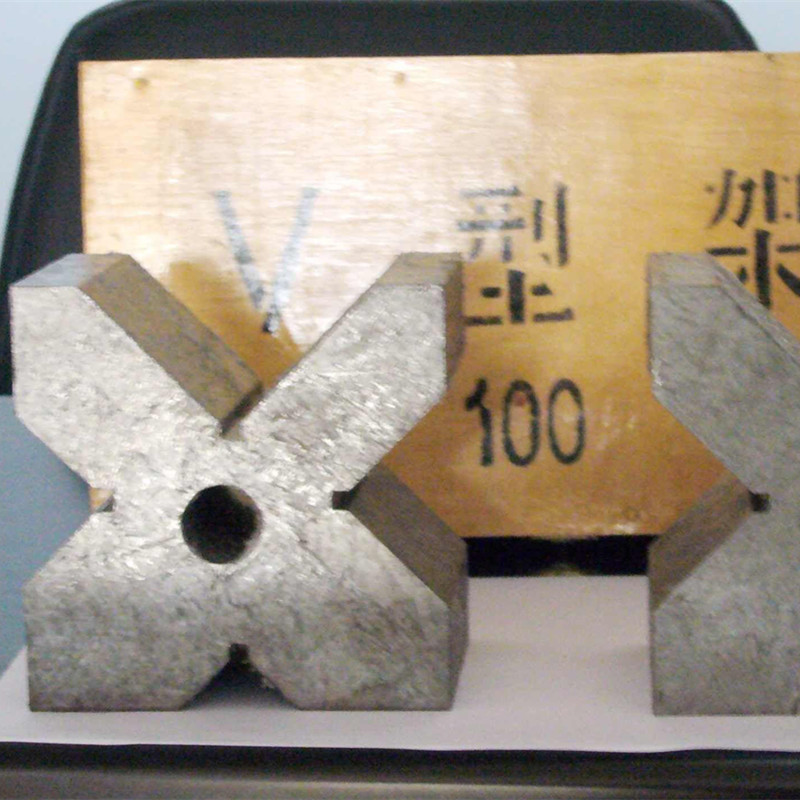
Vendita di gauge a spina di alta qualità disponibile online
Misuratori a Pugno in Vendita La Scelta Ideale per Ogni Professionista I misuratori a pugno, noti an
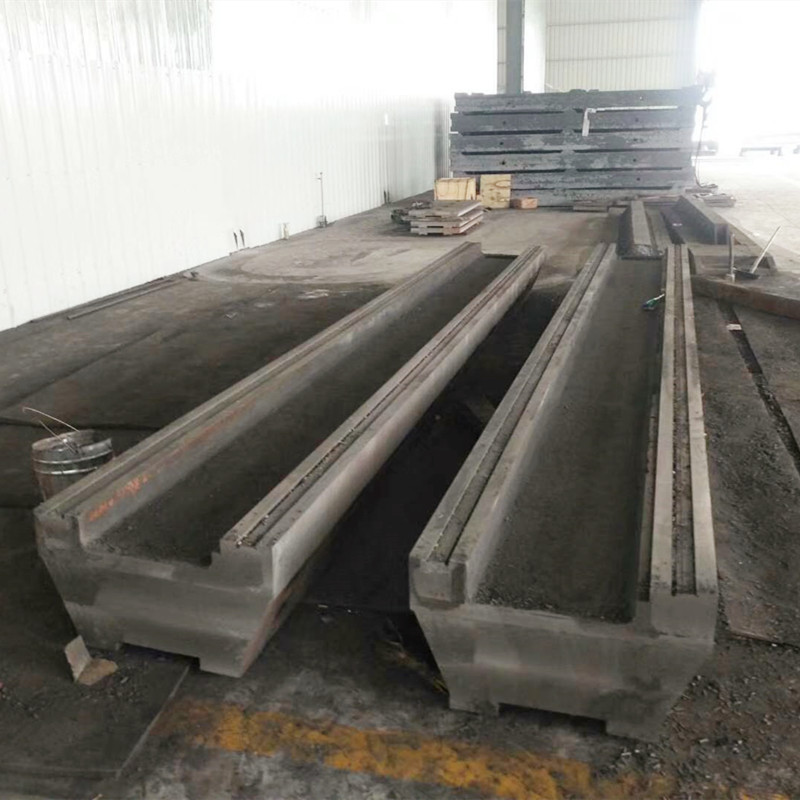
Versatile Snap Gauge with Adjustable Range for Precise Measurement in Various Applications
Understanding Adjustable Snap Gauge Ranges In the world of precision measurement, tools like the adj
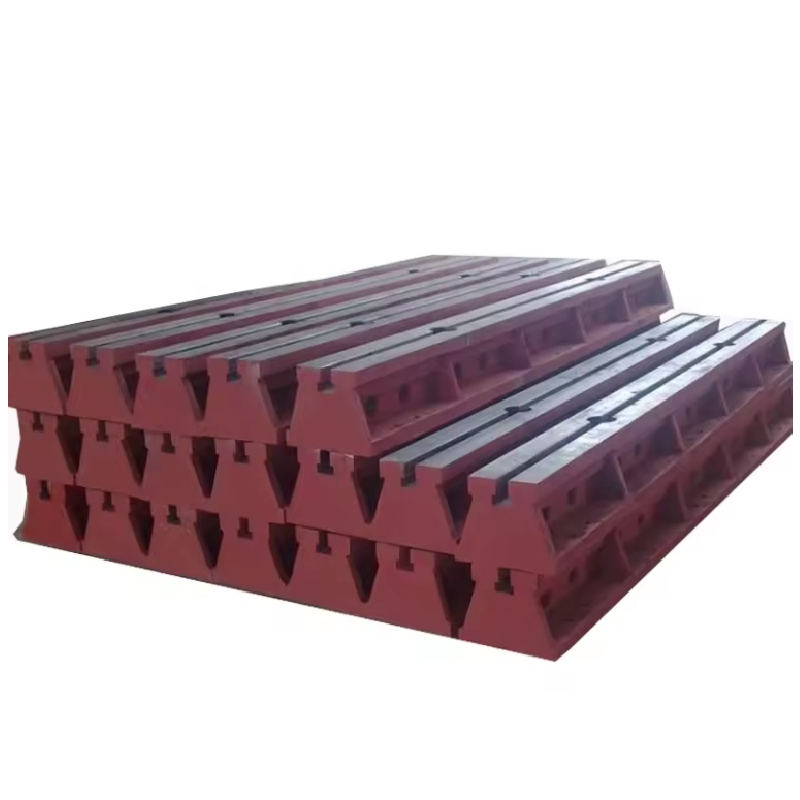
Van cổng
Van cổng, hay còn được gọi là van xẻng, là một trong những thiết bị quan trọng trong hệ thống đường
 English